

28102026Wed
FHC side banner

Homeless koalas re-homed by forestry workers
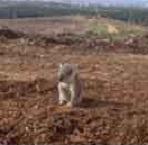
Koala pic for Your Expert Witness storyThe New South Wales Wildlife Information, Rescue and Education Service (WIRES) posted the picture of a forlorn-looking koala sitting on the site of what used to be its home after loggers cut down the tree it lived in.

Leanne Taylor, General Manager of WIRES NSW, said: “Koalas would have been moved out of their homes in preparation for planned logging activities in the nearby State Forest. It is common for koalas to roam back to their home range afterwards and become confused to find nothing there.”

According to a release from WIRES, workers from a pine plantation helped its volunteers to relocate the koalas.

Ban on EU fishing ‘discards’ agreed

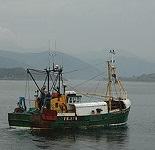
Picture of a fishing trawler for Your Expert Witness storyAgreement has been reached between the European Parliament, the European Commission and the Council under its Irish Presidency on measures to stop overfishing and ban the practice of discards – where fish is dumped overboard from fishing vessels either because the quota has been reached or because the fish are the wrong species or size. The deal, struck on 30 May, should allow a more sustainable common fisheries policy to take effect at the start of 2014.
The talks were led by the Irish agriculture, food and marine minister Simon Coveney, who said: “At the very beginning of Ireland’s Presidency I set out an ambitious and demanding work programme, as I believed it was imperative that reform of our fisheries had to happen now.

“Having led months of intensive negotiations, I am delighted that we have now agreed on a policy which is practical, implementable and one which places sustainability firmly at its core.

“It is a policy which will provide for a vital, vibrant industry and healthy fishing stock long into the future.”

Extra funding will help tackle oak moth

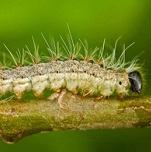
Picture of oak processionary moth for Your Expert Witness storyEnvironment Minister Lord de Mauley has announced additional funding of £1.5m for a project to protect oak trees from a destructive moth.
The project aims to combat the oak processionary moth – or OPM – by allowing plant health experts to treat oak trees in and around areas where the caterpillars are currently nesting. At the moment only trees that have already been infected are treated, so it is hoped that this will prevent the caterpillars from spreading any further.

Announcing the extra funding on 8 May, Lord de Mauley said: “Tree health is a priority for us and this pest not only affects our trees but can also cause skin irritation in people and animals. The additional funding will allow us see if a wider programme of spraying is effective in destroying these pests.”

Tests show horsemeat in 5% of processed meat

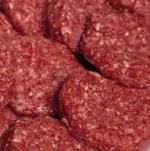
Picture of a burger for Your Expert witness storyTesting of randomly selected processed beef products by food standards experts from around the European Union found that just less than 5% contained horsemeat, according to a report published on 16 April by the European Commission.
"Today's findings have confirmed that this is a matter of food fraud and not of food safety," said Commissioner for Health and Consumers Tonio Borg. "Restoring the trust and confidence of European consumers and trading partners in our food chain following this fraudulent labelling scandal is now of vital importance for the European economy given that the food sector is the largest single economic sector in the EU.

"In the coming months, the Commission will propose to strengthen the controls along the food chain in line with lessons learned."
The same testing process found around 0.5% of horse carcasses contained traces of the painkiller phenylbutazone – or bute – which indicates the presence of horsemeat.

Opposition grows to GM patents on chimpanzees

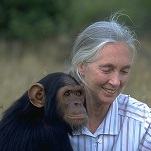
Photo of Jane Goodall with chimpanzee for Your Expert Witness storyA coalition of organisations has launched opposition to the granting of patents on genetically modified chimpanzees on the grounds that the apes require a special level of protection.

Since 1992, the European Patent Office has granted more than patents on genetically engineered animals. The patents grant the holders a monopoly on marketing the modified animals for 20 years or more. Some genetically engineered animals have been patented with a view to selling for food production in the future, but these have yet to reach the market. Others, often mice, have their DNA altered for use in medical experiments – for example to make them prone to cancer or obesity. The monopoly rights granted to the patent holder guarantee an income from marketing these animals to other companies to conduct animal experiments.