

28102026Wed
Translate Hive

Mobile fingerprinting rolled out across the capital
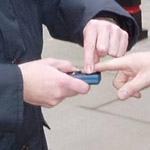
Your Expert Witness SatelliteThe Metropolitan Police has introduced new mobile fingerprint scanners across the force. The device, known as mobile identification or MobileID, can check a person's identity in two minutes.

MobileID is about the size of a mobile phone and allows police to read the fingerprint of an index finger (pictured). According to a press statement from the Met, it checks the fingerprints with the national database but does not retain them afterwards. The device will be used in instances where an individual is suspected of committing an offence, or wanted for a previous offence.

Assistant Commissioner Mark Rowley said: "Mobile Identification is a technological step forward that helps police officers identify people quickly.
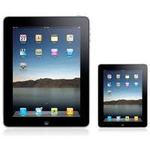

Trusteer Mobile Secures Smartphones and Tablets Against Banking Fraud

Your Expert Witness tabletsSecure Browser, Account Access Lockdown and Security Dashboard to Mobile Endpoints; Provides Mobile Security SDK and Secure Out-of-Band Transaction Verification for Financial Institutions
BALTIMORE, Payments 2012 Conference, April 30, 2012 –Trusteer, theleading provider of endpoint cybercrime preventionsolutions, today announced a newversion of the Trusteer Mobile service which prevents mobile and online banking fraud. Trusteer Mobile detects mobilemalware infection andhelps bank customers fix security vulnerabilitieson their devices. End users can also turn off access to their online bank accounts from anywhere using their mobile devices and safely access the bank web site via a secure mobile browser. Financial institutions can authorize online banking transactions using Trusteer Mobile Out-of-band Authentication for Android and iOS devices.

Health body loses unencrypted data sticks

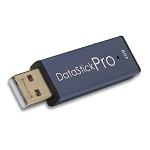
your expert witness data stickAn NHS body in London has put hundreds of patients' sensitive personal data at ‘unnecessary risk’ after the loss of unencrypted USB devices, the UK's information regulator has found.

According to the Information Commissioner's Office, there were four separate breaches of data security by the South London Healthcare NHS Trust.

On 11 April the ICO reported that: “An undertaking to comply with the seventh data protection principle has been signed by South London Healthcare NHS Trust. This follows the loss of two unencrypted memory sticks, the leaving of a clipboard with ward lists attached in a grocery store and a failure to adequately secure some patient paper files when not in use. All of the information was recovered.”

Government plans shake-up of data sharing

Your Expert Witness Francis MaudeOn 6 March the Cabinet Office Minister Francis Maude made a speech to the annual conference of the Information Commissioner’s Office, in which he addressed the problems of data sharing in the public sector.

He called data the new resource of the 21st century and compared the internet to the invention of the printing press in the 15th century. However, the public sector had not kept pace with the changes that the internet had allowed.

“In the past,” he said, “the public sector has not been clever or effective at sharing key intelligence. Whether that’s sharing important data with the public, with the private sector or with each other.”

If your data’s in the clouds, keep your feet on the ground

The Law Society of Scotland has issued guidance on cloud computing services, following “extensive consultation with law firms, in-house counsel and cloud providers”.

According to the regulator, the advance of such technology has made third party outsourcing of cloud services highly attractive to many businesses, including law firms, bringing benefits such as cost reduction, increased flexibility and in-built support and maintenance without the need for an in-house IT team.