

Europe and US reach agreement on trade regulation
 On 20 December the EU and US concluded week-long negotiations for the Transatlantic Trade and Investment Partnership (TTIP), with the EU's chief negotiator Ignacio Garcia Bercero (pictured) stressing that any deal would uphold “…the highest standards of consumer, environment, health and labour protection.”
Mr Garcia Bercero added: “I think we can be very satisfied by the end of this third round of talks. We remain on track to deliver an ambitious trade and investment deal which will boost our economies, deliver growth and, more importantly, create jobs for both Europeans and Americans at a time when they're most needed.”
Both sides discussed all the topics they wanted to see covered in what is intended to be a comprehensive trade agreement. They brought together teams with expertise in a wide range of trade-related areas, as well as regulators from both sides.
The EU and US teams also spent one of their five days together talking to over 50 stakeholders and answering questions from them. This followed unprecedented efforts by the EU to negotiate as openly as possible and reach out to the widest possible range of interests.
Negotiators made progress on the three core parts of the TTIP – market access, regulatory aspects and rules – and these will be the focus for the round of talks expected in March 2014.
On market access, the EU repeated its determination to stay ambitious on all three aspects. It wants to slash customs tariffs on imported goods, allow firms from either side to bid for government procurement contracts and open up services markets and make it easier to invest.
Negotiators also had substantive discussions on regulations which protect people from risks to their health, safety, environment, financial and data security. Studies suggest up to 80% of the gains from any future EU-US trade deal would come from improvements in this area.
EU negotiators now expect to start working with their US counterparts by March 2014 on the wording of provisions designed to make it easier to comply with each other’s existing rules and to enable regulators to work together more closely in future when drafting new rules. Such provisions would include rules on food safety and animal and plant health (sanitary and phytosanitary issues). They would also cover technical regulations and product standards, and testing and certification procedures - so-called technical barriers to trade or ‘TBTs’.
Negotiators also expect to be able to identify a roadmap of areas where the TTIP could bring real savings to consumers and businesses by avoiding having to pay twice over to meet two sets of regulations.
However, Mr Garcia Bercero was at pains to point out that: “TTIP is not and will not be a deregulation agenda.”
He said neither side intended to lower its high standards of consumer, environment, health, labour or data protection, or limit its autonomy in setting regulations.
The third area negotiators discussed was trade-related rules in several areas, which could provide a real boost to EU-US trade. These include measures to ensure free and fair competition between firms, access to energy and raw materials, the protection of people's rights at work and the environment, and less red tape when importing or exporting – for example, easier access to information on customs regulations, and simpler customs procedures.
 The Council of Europe has launched a public consultation on the longer-term future of Europe’s human rights system, which is based on the European Convention on Human Rights and the European Court in Strasbourg.
 On 24 September the European Commission published a decision on the setting-up of a group of experts on maritime transport sustainability – the European Sustainable Shipping Forum (ESSF) – and issued a call for applications for experts to join the group. The deadline for applications is 18 October.
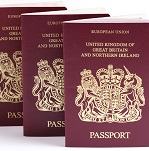 Playing bingo, snacking while sitting on a monument or feeding pigeons may seem innocent enough to many British citizens, but these are just some of the reasons why many people have found themselves faced with hefty fines or in some cases arrested or detained abroad.
 The Law Society of England and Wales has warned that the prosecution and sentencing of a Fijian NGO and its director could signal the “death of free speech” in the Pacific island state.